

Wolf between the legs - cause, treatment and prevention of intertrigo
Intertrigo, also known as skin sores, is an inflammatory disease of the skin. It often occurs in connection with sporting activity and causes painful areas of skin. Among cyclists and endurance athletes, the skin irritation or inflammation is known as"wolf between the legs".
What is the skin wolf?
Intertrigo is usually caused by friction, moisture and heat in skin folds. These conditions create an ideal environment for the growth of bacteria, fungi and other microorganisms that can lead to infection. Intertrigo often occurs in areas where skin folds meet or areas of skin rub against each other. Common areas of the body for intertrigo are under the breasts, in the armpits and especially between the thighs and in the genital area.


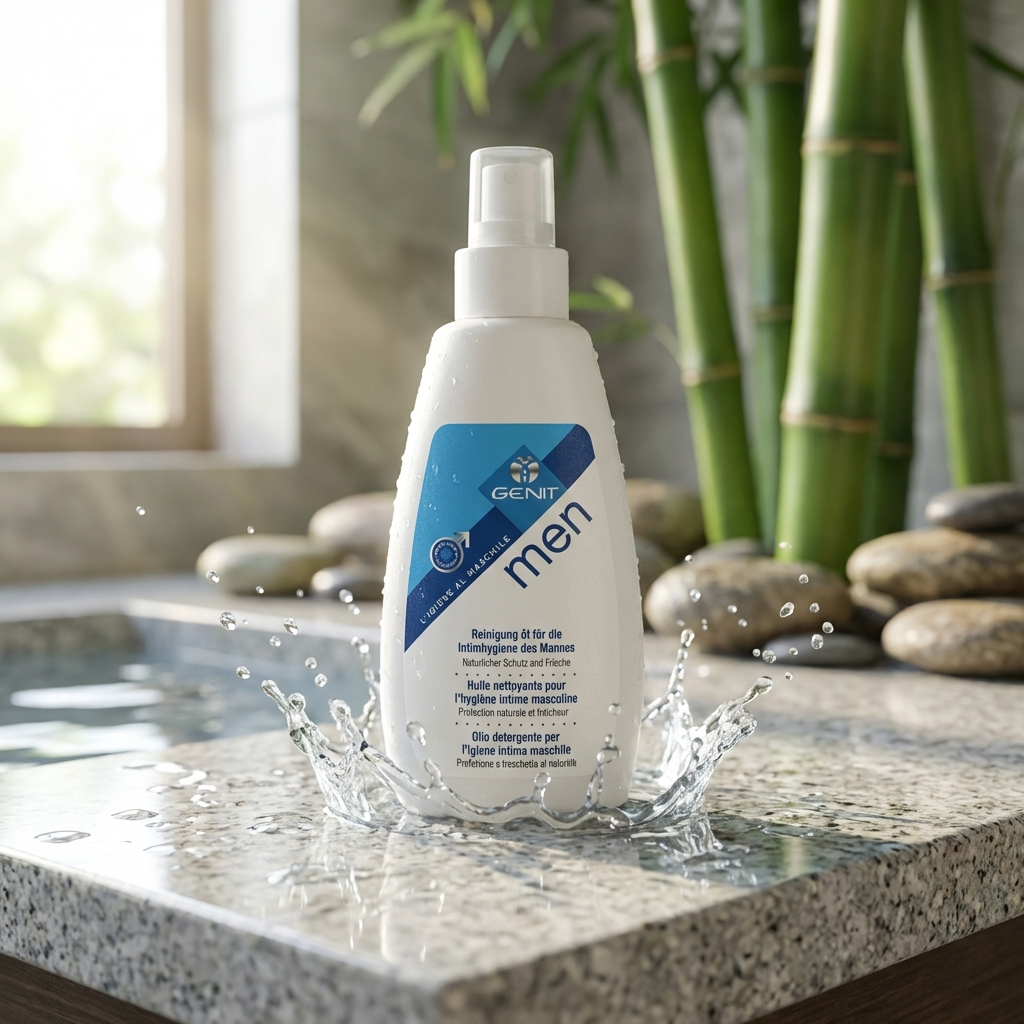
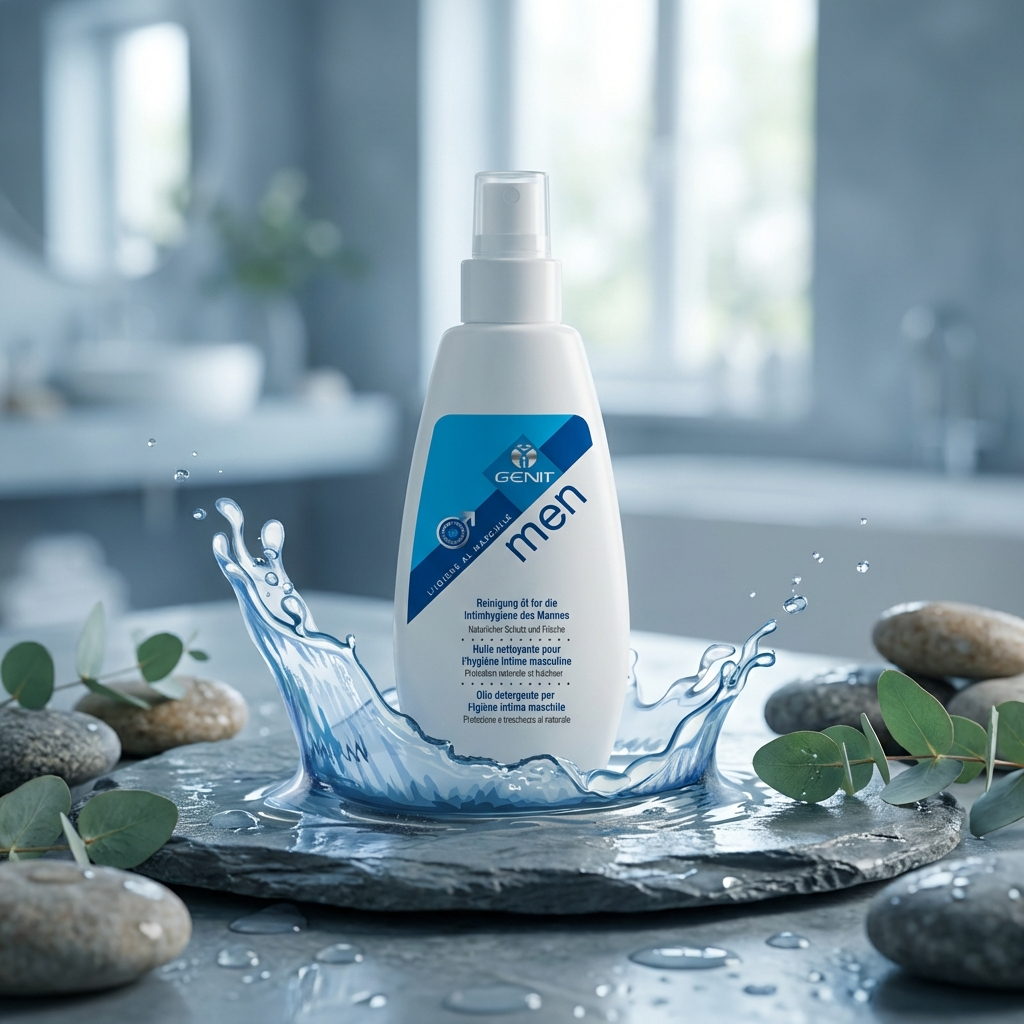
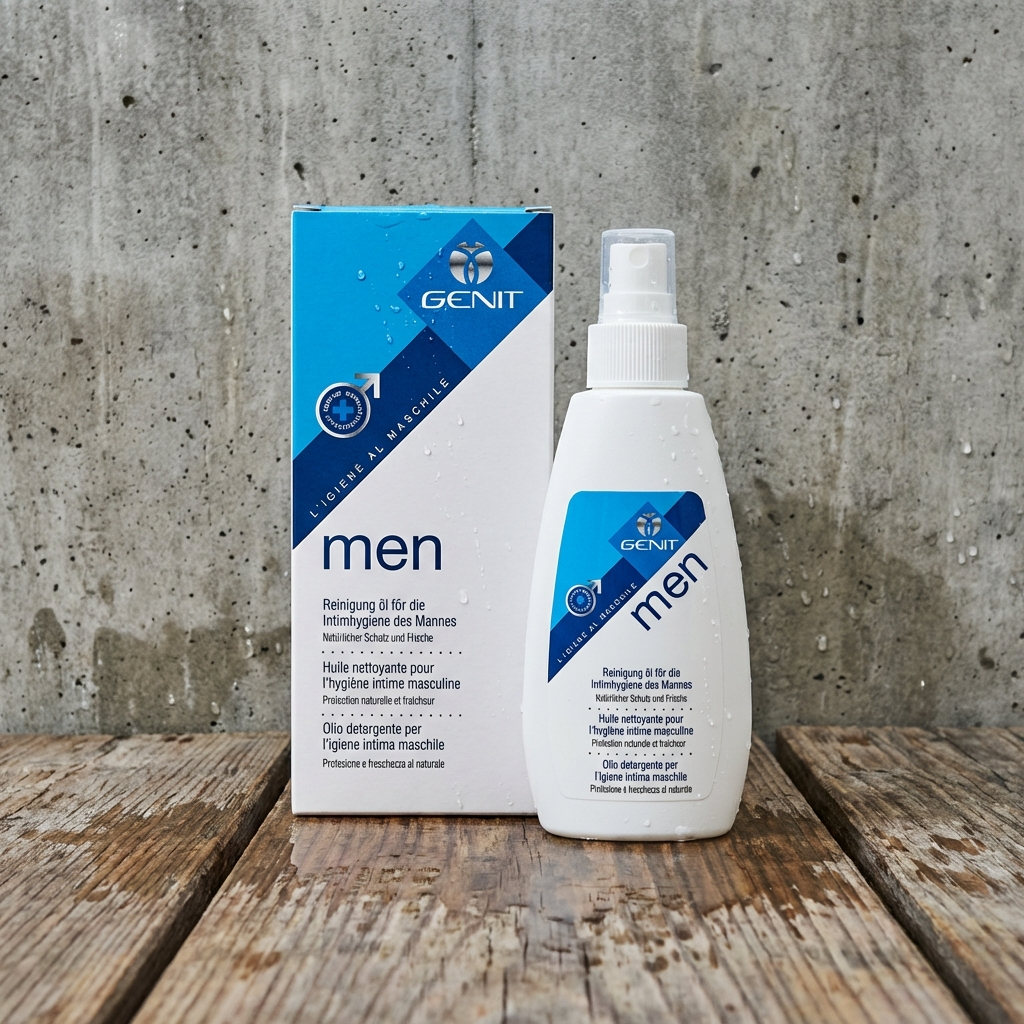
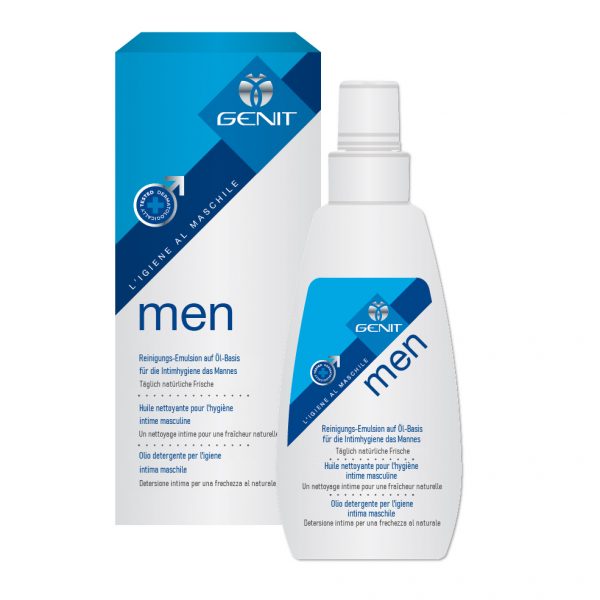
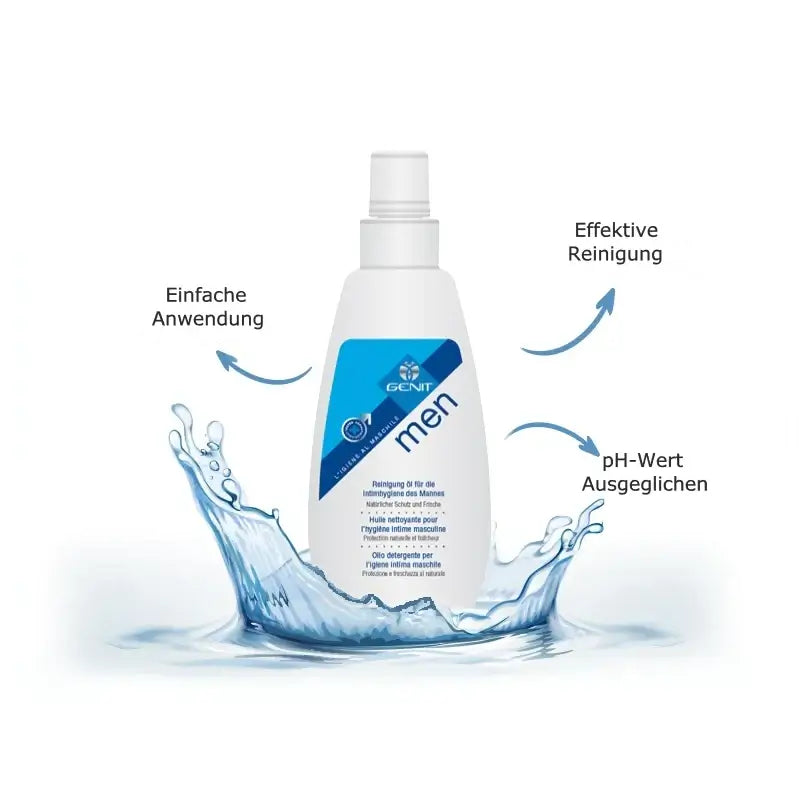
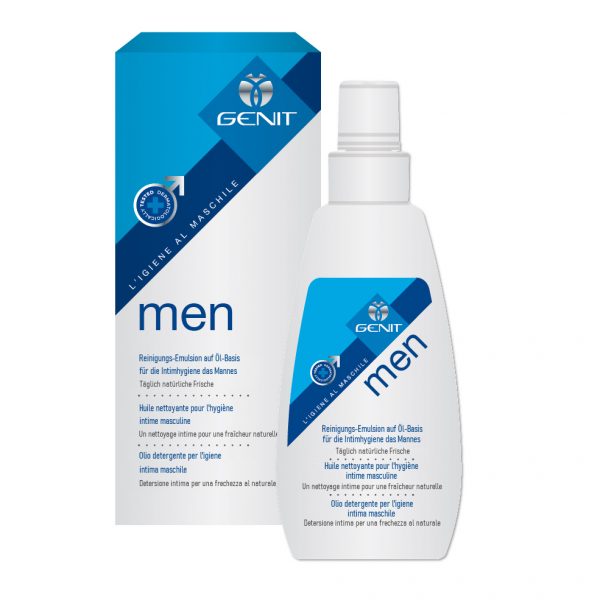
Genitmen
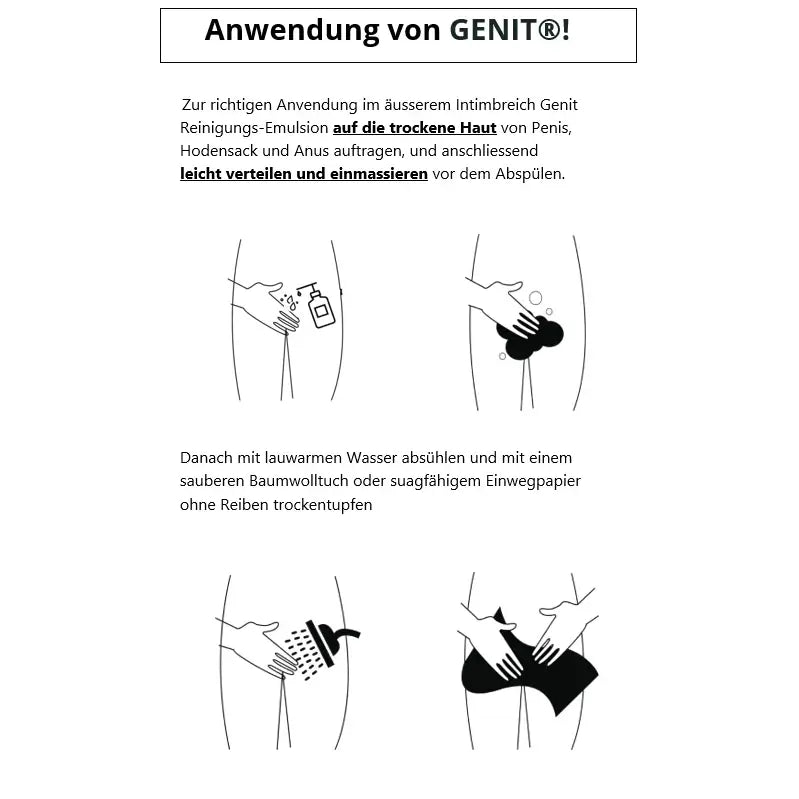
Simply apply the Genitmen emulsion to the body area and cycle, run, golf, walk,...
Protects against wolves between the legs
Long-lasting protection based on micelle oil
No irritation due to perspiration
Developed by urologists and dermatologists
- Regular price
-
CHF 22.80 - Regular price
-
- Selling price
-
CHF 22.80

How does Intertrigo manifest itself?
Intertrigo often manifests itself as redness, burning, itching and pain in the affected areas of the body. In more severe cases, blisters, pustules and open wounds can form. The symptoms can vary depending on individual circumstances.
Symptoms of intertrigo
The symptoms of cutaneous wolf can vary. Typical signs include:
- Redness and irritation of the skin
- Burning or itching
- Skin rash, blistering
- Open wounds
Appearance of skin lice between the legs
The appearance of skin soreness can be a serious problem for many people, especially athletes such as cyclists and long-distance runners. The constant friction of the thigh skin when running or cycling can lead to increased irritation. Sweating between the thighs further exacerbates this effect.
This increases the risk of intertrigo, which affected athletes often describe as a wolf between the legs.
Cutaneous wolf in athletes
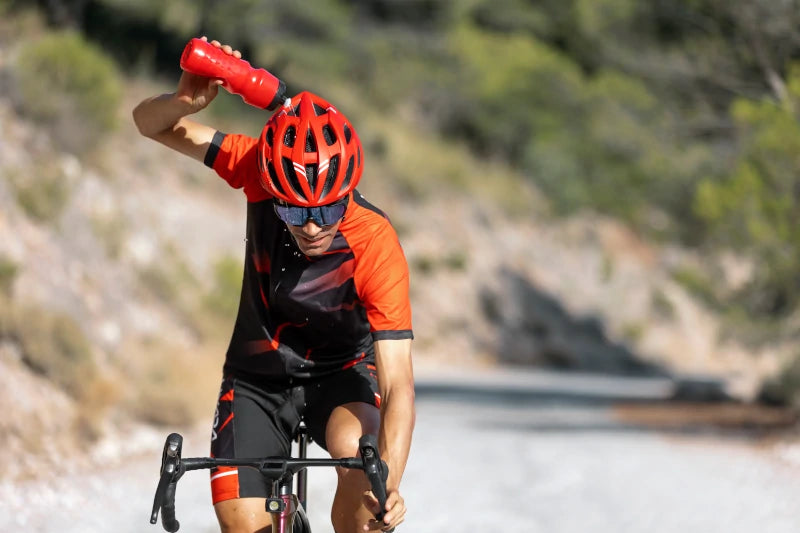
Cyclists are particularly susceptible to the wolf between the legs. The constant contact with the saddle and the repetitive movements can severely irritate the skin between the thighs. This often leads to a rash on the inner thighs. Chafing in the genital area is also common among cyclists. The small contact surface of the saddle puts a lot of pressure on this sensitive area. The skin layers in these areas are also thin and therefore more susceptible to damage caused by friction.
Endurance athletes experience similar problems to cyclists, as the constant movement and contact between the thighs can lead to friction and skin irritation. Sweating further exacerbates these problems. People who take up running in particular often struggle with sore thighs and want effective intertrigo prophylaxis.
Skin wolf with other people
But it's not just athletes who are affected by skin lupus. People whose thighs frequently rub against each other in everyday life can also be affected by wolf between the legs. Especially in summer, when people spend more time outdoors and high temperatures promote sweating, the sore areas of skin develop.
Causes of intertrigo in the thigh and genital area
The main causes of intertrigo on the inner thighs are moisture and heat as well as the rubbing together of skin or skin folds. In addition, certain hygiene routines can promote skin chafing. When skin rubs against each other, friction occurs which can damage the outer layer of the skin. This is often exacerbated by movements such as walking, running or cycling. Moisture, whether from sweat or lack of ventilation in the affected areas, contributes to the softening of the skin. This further increases friction, which in turn encourages the growth of microorganisms. This combination of friction and moisture creates an ideal environment for inflammation to develop.
Moisture and friction
Moisture and friction are the main triggers for intertrigo. If skin folds are moist over a longer period of time (e.g. due to sweating), movement can lead to friction. This friction can irritate and damage the skin. This is particularly common in areas such as the thighs, where friction is exacerbated by repetitive movements (walking, running, cycling).
Skin folds and tightness
Skin folds, especially in areas such as the thighs and intimate areas, create ideal conditions for the development of intertrigo. The tightness of these areas causes moisture to accumulate and the skin areas to rub against each other. This further increases friction and irritation.
Poor hygiene habits
Poor hygiene practices, such as wearing sweaty clothes or neglecting to clean the affected areas of the body (e.g. genital area, thighs, etc.), can increase the risk of intertrigo. This makes it easier for bacteria and fungi to multiply, which can lead to the aforementioned infection or skin irritation. For optimal intimate cleansing and care, we recommend GenitMen, the cleansing emulsion specially developed for the male intimate area.
Bend the wolf forward between the thighs
Preventing dermatitis is crucial to avoid discomfort and complications during sport or in everyday life. Simple measures and appropriate care can minimize the risk of intertrigo and thus promote enjoyment and performance in sport.
Correct cleaning
Regular and thorough cleansing of the affected areas is crucial to remove moisture, dirt and bacteria. Use mild cleansers that do not irritate the skin and dry the skin thoroughly. Gentle drying is particularly important in skin folds and the intimate area.
Use of suitable products
Skin care products that prevent skin areas from rubbing against each other can be an effective protection against chafing. Genit has developed a product that reduces friction and is gentle on the skin thanks to its high-quality natural ingredients. The gentle formula is particularly suitable for sensitive areas such as the intimate area and inner thighs.


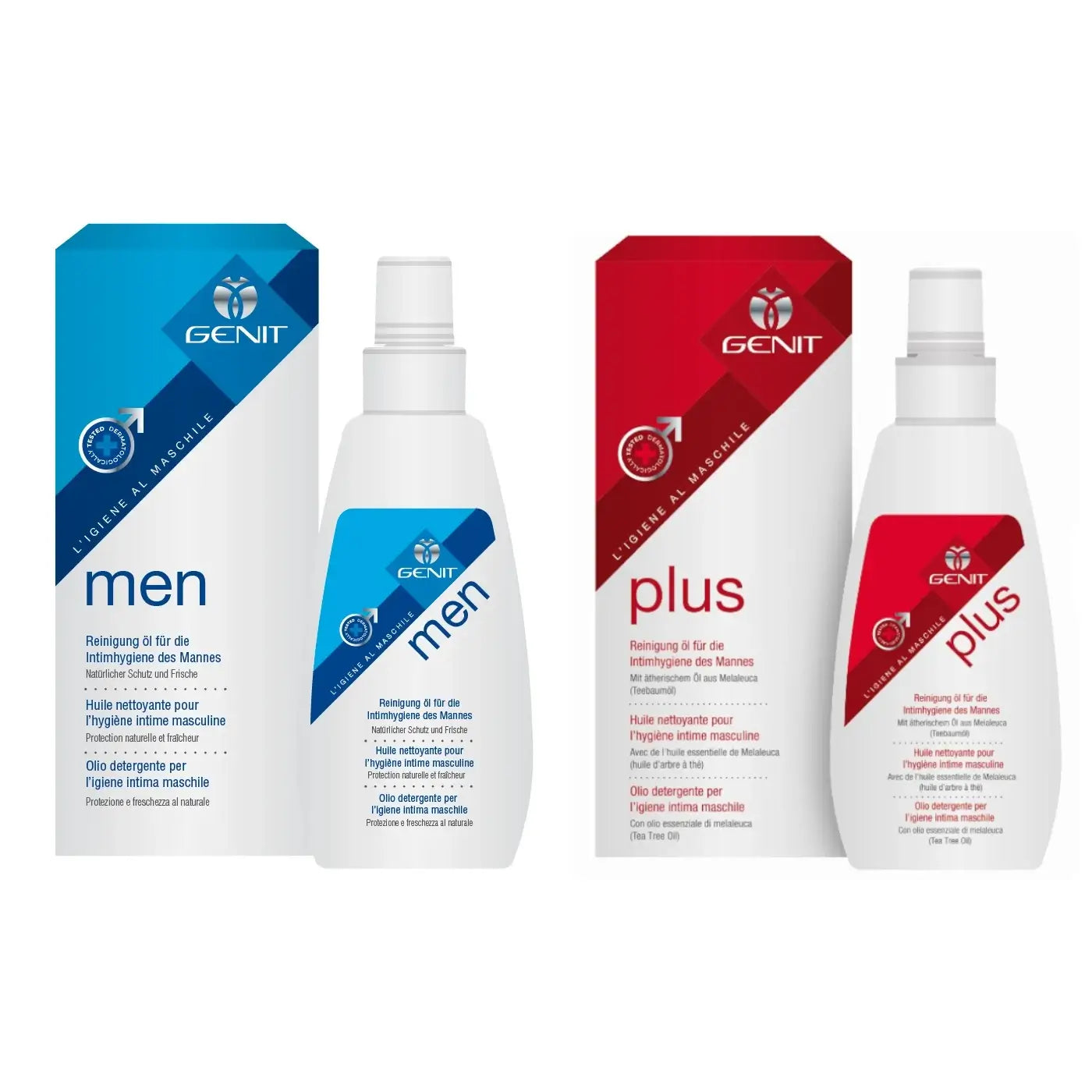
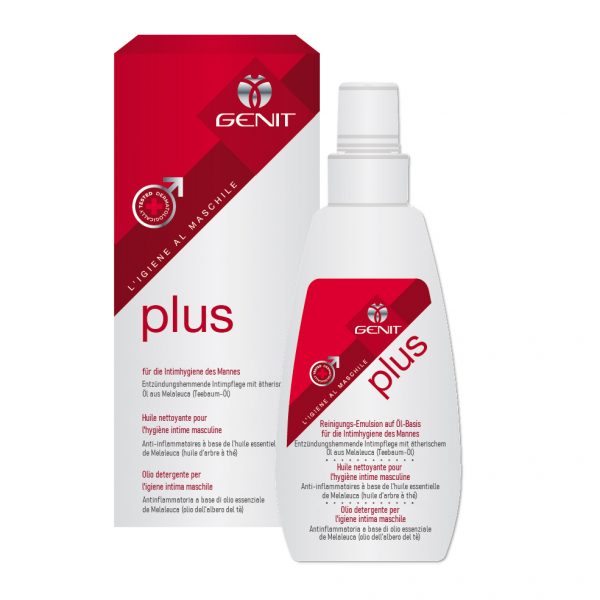
GenitDuo - For all cases
GenitPlus helps to fight inflammation
GenitMen for the daily shower routine and to prevent skin irritation
In duo 15% cheaper than individually
- Regular price
-
CHF 39.90 - Regular price
-
CHF 46.60 - Selling price
-
CHF 39.90


Wear suitable clothing
Choosing the right clothing can also help to prevent intertrigo. Wear loose-fitting clothing made of breathable materials that wick moisture away from the skin and allow adequate ventilation. Avoid tight clothing that promotes friction and moisture build-up. Artificial fabrics consisting of synthetic fibers should be avoided if possible. If these must be worn (e.g. by athletes), appropriate products can help (see above).
Treatment of intertrigo
The treatment of intertrigo aims to relieve symptoms, fight infection and promote skin healing. There are various treatment options, which can vary depending on the severity of the condition and the individual needs of the patient.
Medical treatment
In more severe cases of intertrigo, medical treatment may be necessary. The doctor may prescribe topical treatment with antiseptic or antifungal ointments. This is aimed at fighting the infection and soothing the skin. In some cases, oral medication may also be prescribed to treat infections from the inside.
Self-help measures
In addition to medical treatment, self-help measures can help to alleviate the symptoms of intertrigo and promote skin healing. These include wearing loose-fitting clothing and avoiding friction and moisture build-up. Regular cleaning and drying of the affected areas and the use of suitable care products are also part of this.
Use of micellar and oil-based emulsions
Micellar and oil-based cleansing emulsions, such as those available in our range, can also be helpful in the treatment of intertrigo. The gentle formula cleanses the skin thoroughly without irritating it. At the same time, it applies a protective oil film that significantly reduces friction. It also contains valuable ingredients to support skin healing. Regular use can help to alleviate symptoms and prevent chafing, especially between the legs.
Genitmen
Simply apply the Genitmen emulsion to the body area and cycle, run, golf, walk,...
Protects against wolves between the legs
Long-lasting protection based on micelle oil
No irritation due to perspiration
Developed by urologists and dermatologists
- Regular price
-
CHF 22.80 - Regular price
-
- Selling price
-
CHF 22.80
Sources: Pharmawiki, 'Intertrigo' (Wikipedia), AOK