

Foreskin tightening - causes & treatment of phimosis
Foreskin tightness, medically known as phimosis, is a condition in which the foreskin cannot be retracted over the glans penis, or can only be retracted with pain. While a tight foreskin is often normal in childhood, it can cause discomfort in adults and may require treatment.
On this page, you will learn what phimosis is, how to recognize a narrowed foreskin, what causes and symptoms can occur, and what treatment options —from ointments to surgical procedures—are available.
What is phimosis?
Phimosis occurs when the opening of the foreskin is too tight to pull it completely back behind the glans. A distinction is made between absolute phimosis, in which the foreskin cannot be moved even when flaccid, and relative phimosis, in which the restriction occurs mainly during erection.
This should be distinguished from foreskin adhesion, which is physiological, especially in children, and usually resolves on its own. However, if the tightness persists or causes discomfort, it is referred to as phimosis, which requires treatment.


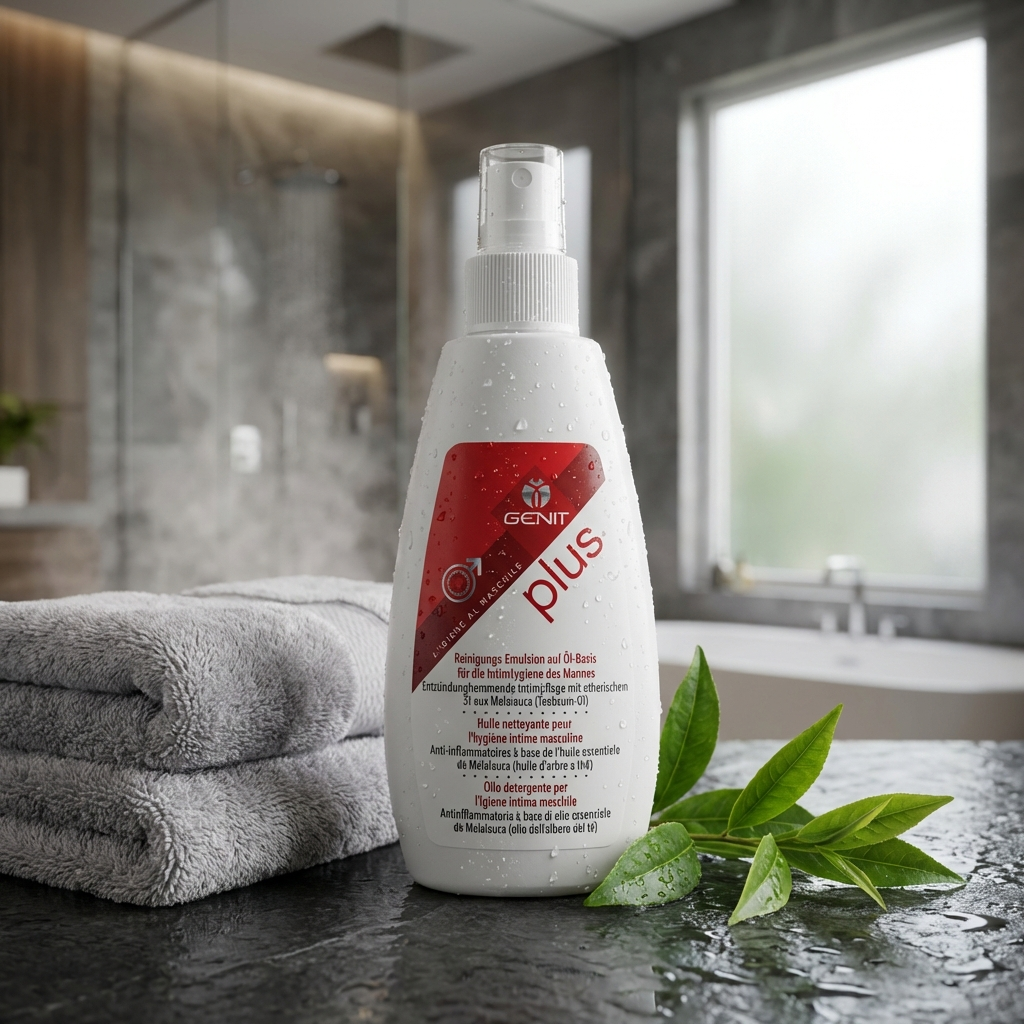
GenitPlus - Anti-inflammatory intimate care
The oil-based GenitPlus makes it easier for you to clean the foreskin and provides long-lasting moisture to sensitive skin areas.
Antibacterial thanks to tea tree oil
Especially for the male intimate area
Developed by urologists and dermatologists
- Regular price
-
CHF 23.80 - Regular price
-
- Selling price
-
CHF 23.80




Causes of foreskin tightening
A tight foreskin can be congenital or acquired during the course of life.
Congenital (physiological) phimosis
A tight or stuck foreskin is normal in newborns and infants. In most cases, the foreskin becomes increasingly stretchy during childhood. However, if the tightness persists into adolescence or adulthood, treatment may be necessary.
Acquired phimosis
Acquired phimosis often results from:
- repeated inflammation of the foreskin or glans
- Scarring after injuries or forceful retraction of the foreskin
- chronic skin conditions such as lichen sclerosus
- contributing factors such as diabetes mellitus
Recognizing symptoms of phimosis
Typical symptoms of phimosis can include:
- The foreskin cannot be retracted
- Pain when retracting the foreskin or during erection
- Tightness or burning sensation
- Recurrent inflammation of the foreskin or glans
- Problems urinating, sometimes with swelling of the foreskin
Not every tight foreskin causes immediate discomfort. However, if pain, inflammation, or functional limitations occur, a medical examination should be carried out.
Possible effects and complications
If severe foreskin tightness remains untreated, it can lead to:
- recurrent infections
- hygiene issues
- urinary tract problems
lead.
A rare but serious complication is paraphimosis. This occurs when a retracted, tight foreskin becomes stuck behind the glans and constricts it. This is a urological emergency and requires immediate medical treatment.
However, there are some measures that can help with all forms of inflammation.
Treating phimosis – what are the options?
The treatment of phimosis depends on the cause, severity, and symptoms.
Conservative treatment (ointments & stretching)
In many cases, treatment with ointments is recommended initially. Ointments containing cortisone can make the skin more elastic and are often combined with gentle stretching exercises. It is important that stretching is never done forcefully.
This form of treatment is used in particular for mild to moderate phimosis.
Surgical treatment
If conservative measures are insufficient or severe symptoms persist, surgery may be advisable. Depending on the findings, the following options are available:
- foreskin-preserving procedures
- partial circumcisions
- complete circumcisions
in question.
The appropriate method should be discussed individually with a urologist.
Can Genit help Genit phimosis?
Genit is not a medicine and does not replace medical treatment. Genit , as a complementary intimate care product, Genit can help to care for the sensitive skin in the foreskin area and reduce irritation or inflammation.
Well-cared-for and well-moisturized skin can help with foreskin tightness—especially when combined with medically recommended treatment or in cases of mild symptoms.
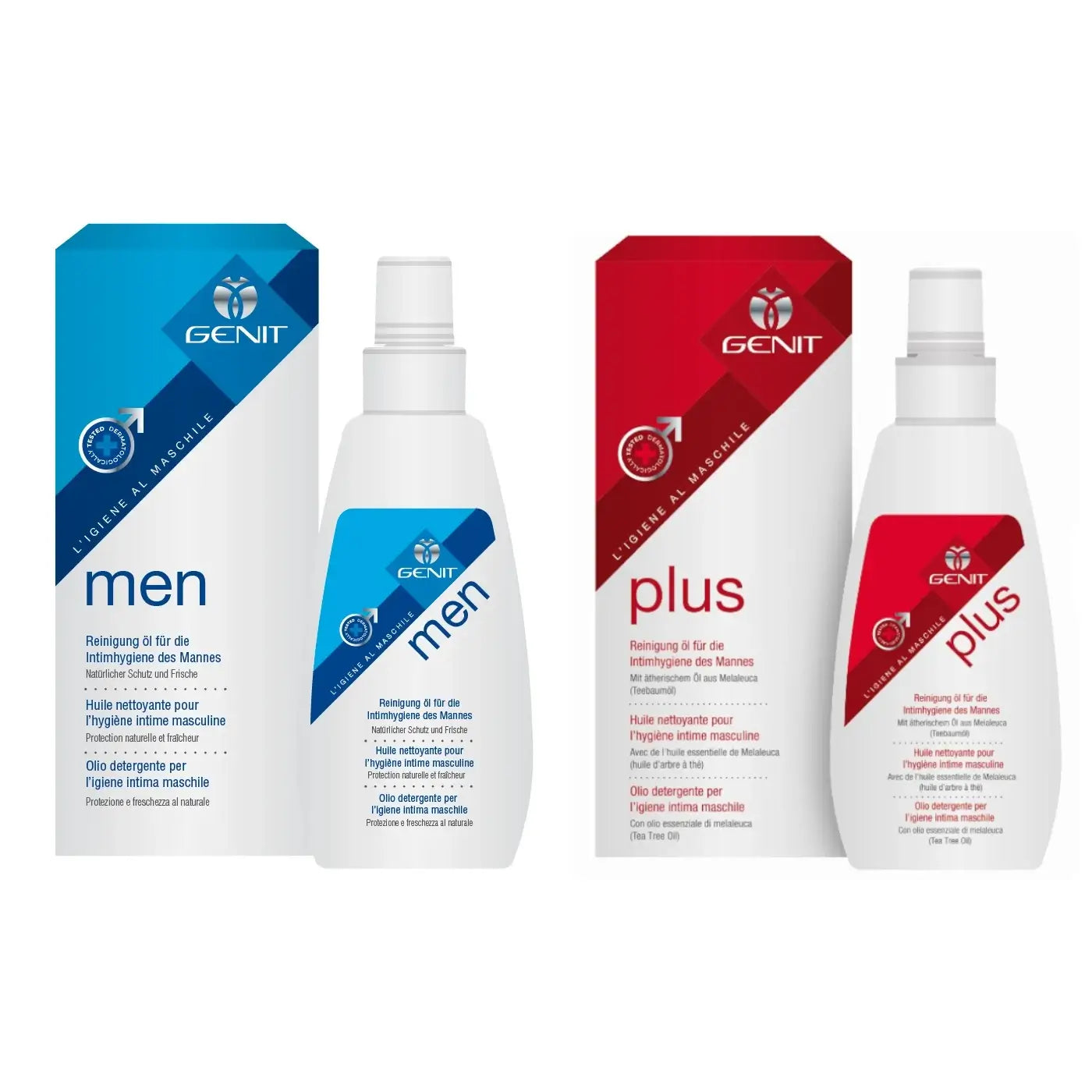
Product recommendation - GenitDuo
If you suffer from phimosis, usingGenitDuocan be an effective way to relieve your symptoms. Genit a natural, herbal product made from high-quality ingredients that have been specially developed to relieve intimate discomfort.
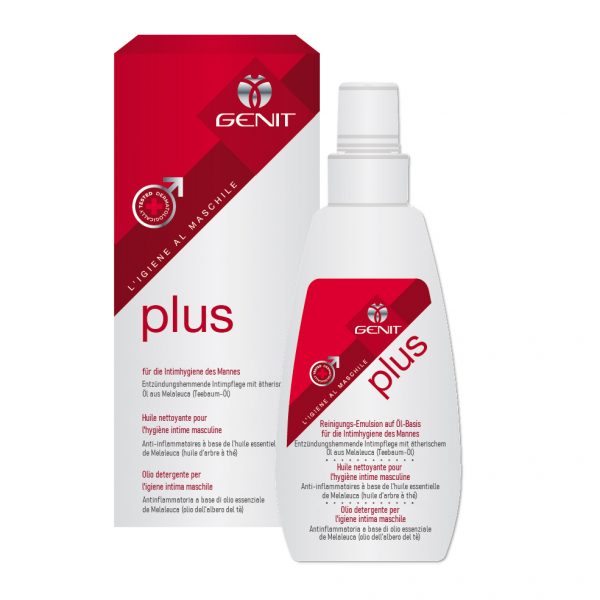
GenitPlus contains tea tree oil, a well-known antiseptic that can help fight bacteria and fungi. Capparis Spinosa Extract helps reduce inflammation and prevent itching, while Ficus Indiaca Extract moisturizes and soothes sensitive skin.
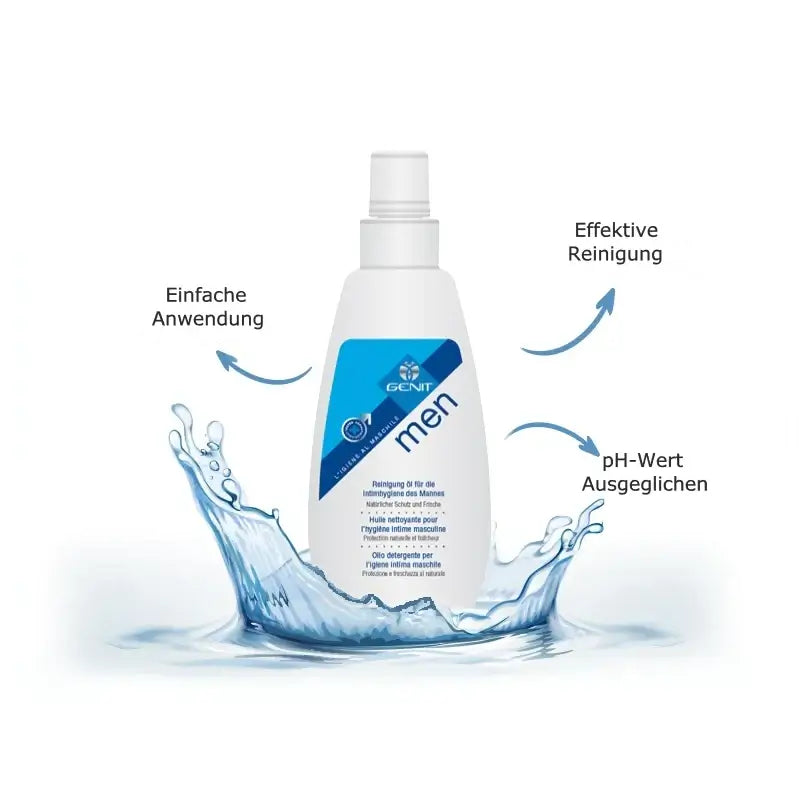
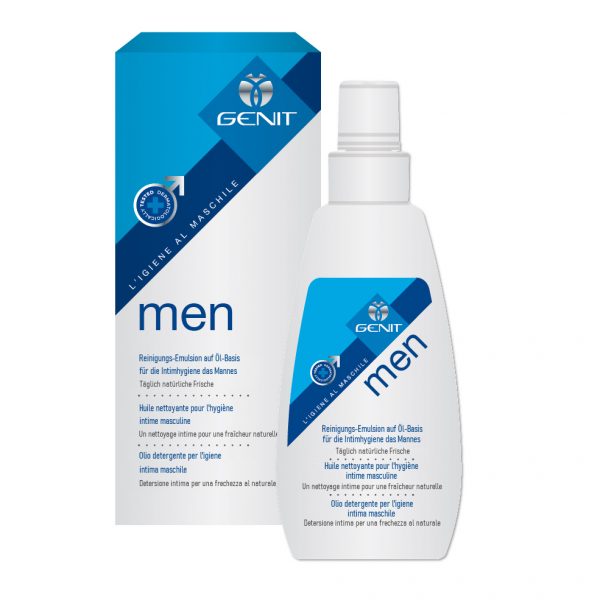
GenitMen then GenitMen optimal care for the intimate area using select ingredients such as almond oil, orange oil, pomegranate extract, and chamomilla recutita extract.


GenitDuo - For all cases
GenitPlus fight inflammation and relieve pain.
GenitMen for the daily shower routine
In duo 15% cheaper than individually
- Regular price
-
CHF 39.90 - Regular price
-
CHF 46.60 - Selling price
-
CHF 39.90

Sources: Urological Health Foundation, USZ
Frequently asked questions about phimosis
What is phimosis?
Phimosis is a narrowing of the foreskin, which prevents it from being pulled back over the glans, or only allows it to be pulled back to a limited extent.
Can you treat phimosis yourself?
Mild forms can be treated with ointments and gentle stretching under medical supervision. A doctor should always be consulted in cases of pain or inflammation.
When is surgery necessary?
If conservative measures do not help or complications arise, surgery may be advisable.