

Penile yeast infection – causes & treatment (Candida in men)
What is penile yeast infection (candidiasis in men)?
Penile yeast infection refers to a fungal infection of the male genitals, usually on the glans and foreskin of the penis. In most cases, it is caused by yeast fungi of the genus Candida – especially Candida albicans, the same pathogen that causes vaginal yeast infections in women. This is also known as Candida balanitis, an inflammation of the glans caused by yeast fungi. Colloquially, penile yeast infection is sometimes referred to as "vaginal yeast infection in men," which expresses the fact that the fungus can be transmitted during sexual intercourse. However, it is not a classic sexually transmitted disease, as Candida fungi are often part of the normal skin and mucous membrane flora of humans and often only proliferate pathologically when the body's own balance is disturbed. Although transmission from woman to man is possible, in many cases penile yeast infection is caused by individual factors (e.g., a weakened immune system or hygiene problems) rather than sexual transmission. The infection is usually localized and easily treatable —it causes unpleasant symptoms, but with the right therapy it usually heals quickly and completely.


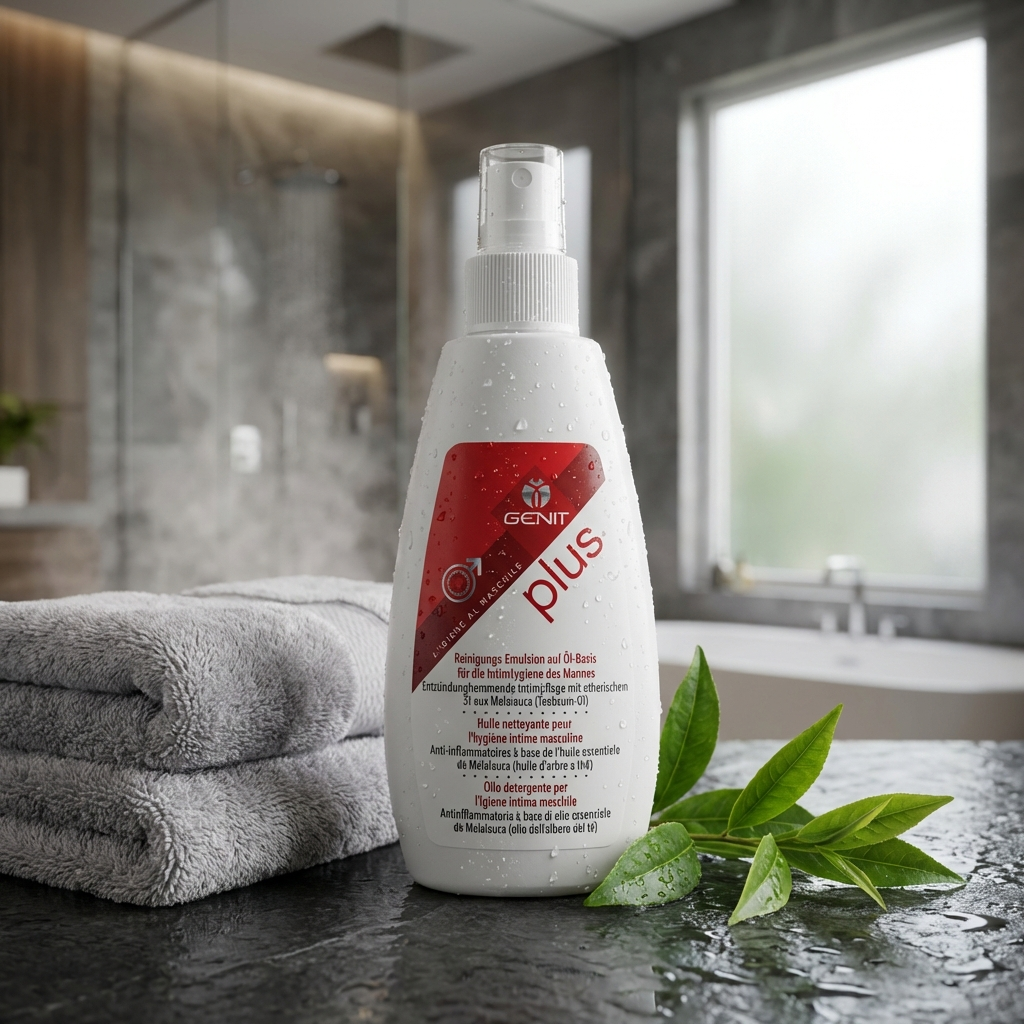
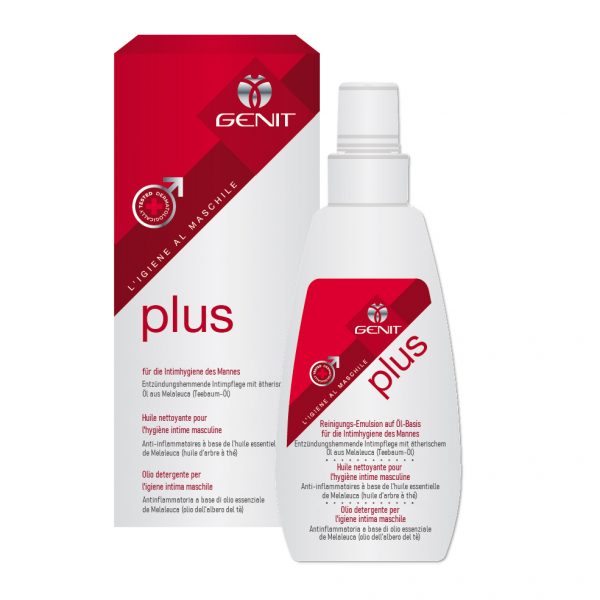
GenitPlus - Anti-inflammatory intimate care
The oil-based GenitPlus makes it easier for you to clean the foreskin and provides long-lasting moisture to sensitive skin areas.
Antibacterial thanks to tea tree oil
Especially for the male intimate area
Developed by urologists and dermatologists
- Regular price
-
CHF 23.80 - Regular price
-
- Selling price
-
CHF 23.80




Causes and risk factors of penile yeast infection
Penile yeast infections are always caused by excessive growth of yeast (usually Candida albicans) on the skin or mucous membrane of the penis. However, this fungal growth is often promoted by certain external or internal factors that disrupt the natural balance of the skin flora. The following are the most important causes and risk factors that make Candida infection more likely in men:
- Moist heat in the genital area: Fungi thrive particularly well in a warm, moist environment. Inadequate drying after washing or heavy sweating therefore promotes penile fungus. Moisture and secretions (smegma) can accumulate, especially under a tight foreskin, which is an ideal breeding ground for fungi. Men with foreskin tightening (phimosis) are at increased risk here, as smegma is more difficult to remove when the foreskin is tight.
- Poor intimate hygiene: Failure to clean the genital area properly or at all leads to a build-up of smegma and germs under the foreskin. These residues can promote fungal infections. Important: Gentle but regular intimate hygiene (careful daily washing of the glans with lukewarm water) can prevent this.
- Excessive hygiene: The other extreme—washing too frequently with aggressive soaps or disinfectants—also damages the natural skin flora. If the skin's protective film is disrupted by excessive intimate hygiene, fungi have an easier time of it. Experts therefore recommend neutral cleansing products or those specially formulated for the intimate area instead of perfumed soaps.
- Antibiotic use: Broad-spectrum antibiotics can reduce the beneficial bacteria in the skin flora, thereby upsetting the healthy microbiome in the genital area. This results in a lack of competition for Candida fungi, making it much easier for a penile yeast infection to develop after antibiotic treatment.
- Weakened immune system: An intact immune system usually keeps fungi at bay. Immune deficiency, on the other hand—for example, due to chronic diseases such as diabetes mellitus (diabetes) or HIV infection/AIDS—increases susceptibility to fungal infections. Taking cortisone or chemotherapy drugs can also weaken the immune system to such an extent that Candida can multiply unhindered. In diabetics, the higher sugar content in sweat and urine also plays a role, as sugar promotes fungal growth.
- Sexual transmission: Although penile yeast infection is not a classic STI, unprotected sexual intercourse can facilitate the transmission of yeast between partners. In particular, if a female partner has a vaginal yeast infection, infection can occur during sex (or vice versa). Frequently changing sexual partners and unprotected intercourse generally increase the risk of infections in the genital area—including Candida infections.
- Other factors: Older age and severe obesity are also considered risk factors, as fungi can multiply more easily in skin folds and in older people. Mechanical irritation (e.g., from very tight clothing or intense masturbation) or local allergic reactions (e.g., to latex or ingredients in care products) can also disrupt the skin's natural barrier and thus indirectly promote fungal infection.
In summary: Penile yeast infections usually develop when the natural balance of the skin flora in the genital area is disturbed or when local conditions (moist heat, breeding grounds) promote fungal growth. Often, several factors play a role—e.g., a slightly weakened immune system in combination with antibiotic use or hygiene problems.
Symptoms of a penile yeast infection
A penile yeast infection (Candida infection) manifests itself through various unpleasant symptoms in the genital area. Typical symptoms of penile yeast infection are:
- Itching and burning: Those affected often complain of severe itching on the glans and foreskin. Burning may also occur, especially when urinating or during sexual intercourse.
- Redness and swelling: The glans is usually significantly reddened, often slightly swollen and sore. In uncircumcised men, the inside of the foreskin may also be inflamed, reddened and swollen.
- Pain: In advanced cases or in cases of severe inflammation, pain may occur, especially during sexual intercourse or urination, as this puts additional strain on the irritated mucous membrane.
- Discharge or coating: A characteristic sign of penile yeast infection is whitish-grayish deposits or a thin coating under the foreskin. This coating can be crumbly or creamy (similar to the discharge associated with vaginal yeast infection). It is sometimes accompanied by a slightly unpleasant odor.
- Weeping and minor skin changes: Occasionally, small blisters or pustules form on the glans, in which fluid collects. If these burst, the area may weep. Minor tears (lacerations of the skin) are also possible, especially if the skin is very dry or severely inflamed.
These symptoms often develop within a few days of the onset of infection. Typically, it starts with redness and itching and then intensifies to more severe burning or pain if left untreated. Important: Similar symptoms can also be caused by other conditions, so if you have unclear or particularly severe symptoms, you should always consult a doctor for a thorough examination.
Differentiation from other diseases
Not every redness or inflammation on the penis is automatically a penile fungus. There are a number of other conditions and infections that can cause similar symptoms but have different causes. The most common general diagnosis for inflammation of the glans and foreskin is balanitis or balanoposthitis, which can have various triggers. Here are a few examples to help distinguish between them:
- Bacterial infections: Bacteria can also cause inflammation of the glans/foreskin. Typical symptoms often include severe burning, yellowish discharge, or foul-smelling secretions. For example, sexually transmitted bacteria such as chlamydia or gonococcus (gonorrhea) can cause inflammation in the genital area, which is then treated differently (antibiotics instead of antifungal agents).
- Viral infections: Viral diseases such as genital herpes cause painful blisters and ulcers on the glans or foreskin, usually accompanied by severe burning. These differ significantly from the appearance of a fungal infection. Genital warts (HPV viruses) or other viruses can also cause changes, but these should not be confused with fungal infections.
- Skin conditions and allergies: Sometimes skin conditions (such as psoriasis on the glans or eczema) or allergic reactions (e.g., to latex condoms, intimate sprays, or shower gel) can cause symptoms similar to redness, itching, or burning. However, these are not infections and require different treatment (such as cortisone creams for inflammation caused by allergies).
Why is differentiation important? Firstly, to initiate the appropriate treatment —antibiotics, for example, do not help against fungi, and antifungal cream does not help against bacteria. Secondly, mixed infections or other more serious causes may be behind similar symptoms. Therefore, in the case of unexplained complaints or if the symptoms do not improve quickly despite treatment, a doctor should always be consulted to determine whether it is actually a penile fungus or something else.
Note: Balanitis/posthitis is the umbrella term for inflammation of the glans/foreskin in general and also includes penile yeast infection as a possible trigger. This article focuses on Candida infections; other forms of balanitis (caused by bacteria, viruses, etc.) are not discussed in depth here.
Treatment of penile fungus
The good news is that penile yeast infections can be treated easily and effectively in most cases. The aim of treatment is to kill the yeast or stop its growth and restore the healthy balance of the skin. The most important treatment options and measures are listed below:
Antifungal medications (antifungal agents): The use of antifungal agents, i.e., substances that kill or inhibit fungi, is central to treatment. External treatment is usually recommended: an antifungal cream or ointment (e.g., containing the active ingredient clotrimazole or miconazole) is applied to the affected areas over several days or weeks. These creams are available over the counter in pharmacies in Switzerland. It is important to use the cream consistently according to the instructions (usually 1–2 times a day for about 1–2 weeks), even if the symptoms subside earlier. This is the only way to ensure that the fungus is completely eradicated. In stubborn or extensive cases, a doctor may also prescribe a systemic antifungal medication in tablet form (e.g., fluconazole as a single dose), especially if the local medication alone is not sufficient or if the immune system is severely weakened.
Hygiene and care during treatment: Thorough but gentle intimate hygiene supports the healing process and prevents the infection from spreading. The following instructions should be observed:
- Keep the penis clean and dry: Wash the glans and foreskin carefully every day with lukewarm water (without soap). Then dry the area thoroughly, as a dry environment inhibits fungal growth. If the skin has weeping areas, it may help to loosely cover the glans with a sterile gauze pad after applying the cream to absorb moisture.
- No sexual intercourse: You should refrain from sex for the entire duration of treatment. This is partly to avoid disrupting the healing process (friction can further irritate the inflamed skin) and partly to prevent mutual infection of your partner. Condoms offer some protection, but the safest option is to refrain from intimate contact until the infection has completely cleared up.
- Treating partners? It often makes sense to examine or treat a steady sexual partner, especially if the partner suffers from recurring vaginal yeast infections, for example. This can prevent a ping-pong effect, in which partners repeatedly infect each other. However, if the partner does not show any symptoms, prophylactic treatment is not absolutely necessary—if in doubt, this should be discussed with a doctor. In any case, the following applies: only have unprotected sexual intercourse again after complete healing.
- Keep laundry and surroundings hygienic: Change towels and underwear daily during treatment and wash them at 60° Celsius if possible to kill fungal spores. Do not share towels with other people. Also, make sure to keep the genital area dry by wearing breathable, loose-fitting cotton underwear.
- Avoid irritants: Refrain from visiting saunas, swimming pools, or hot tubs until the penile fungus has healed. Chlorinated water, heat, and humid environments could further irritate the skin or introduce new germs. Strongly perfumed soaps, intimate sprays, or disinfectants should also be avoided in the genital area so as not to further irritate the skin.
In most cases, consistent local treatment in combination with the hygiene measures mentioned above is sufficient to make the penile yeast infection disappear within 1–2 weeks. If the symptoms do not improve significantly after about 7–10 days of treatment, it is advisable to consult a doctor again. There may be another cause, or alternative measures may be necessary.
Special cases – medical measures: In the case of recurrent fungal infections, underlying risk factors should be investigated. Untreated diabetes or other immune deficiencies may need to be treated with medication to prevent further fungal episodes. In some cases of recurrent penile fungus – especially when accompanied by severe phimosis – surgical removal of the foreskin (circumcision) may be considered as a last resort. Circumcision leaves the glans permanently exposed and makes it easier to keep clean and dry, which can prevent further fungal infections. However, this step should only be taken in consultation with a urologist and is usually only necessary in severe cases or for chronic problems.
Intimate hygiene and the role of Genit support
Good intimate hygiene plays a key role not only in the treatment but also in the prevention of penile yeast infections. In addition to water and mild soap, the use of special intimate care products for men can be useful in protecting the sensitive genital skin and maintaining the natural environment. Genit is an example of such an intimate care product that can be used as a supportive measure. It is a washing emulsion specially developed for the male intimate area that contains antiseptic and anti-inflammatory ingredients. Genit uses tea tree oil —a natural antiseptic—to reduce unwanted bacteria and fungi on the skin. Other ingredients (such as Capparis spinosa extract and chamomile extract) have a soothing effect, reduce itching, and support the regeneration of irritated skin.
Important: A product such as Genit is not a substitute for medical treatment, but can be helpful as an adjunct to therapy and prevention. The anti-inflammatory intimate care emulsion can relieve symptoms such as redness and burning and strengthen the skin barrier. Once an acute fungal infection has subsided, mild intimate care helps to maintain the natural balance of the skin flora and prevent further infections. Genit be clearly understood as a care product – there are no promises of a cure, but many men report a pleasant, clean feeling and less irritation in everyday life through regular use. Those who suffer more frequently from balanitis or minor inflammation in the intimate area can benefit from such supportive care as part of their daily shower routine (in addition to the usual measures such as cotton underwear, good blood sugar control in diabetes, etc.). If in doubt, a doctor can be consulted to determine whether such a product is recommended in individual cases.
Product recommendation - GenitDuo
If you suffer from penile yeast infection, usingGenitDuocan be an effective way to relieve your symptoms. Genit a natural, herbal product made from high-quality ingredients that have been specially developed to relieve intimate discomfort.
GenitPlus contains tea tree oil, a well-known antiseptic that can help fight bacteria and fungi. Capparis Spinosa Extract helps reduce inflammation and prevent itching, while Ficus Indiaca Extract moisturizes and soothes sensitive skin.
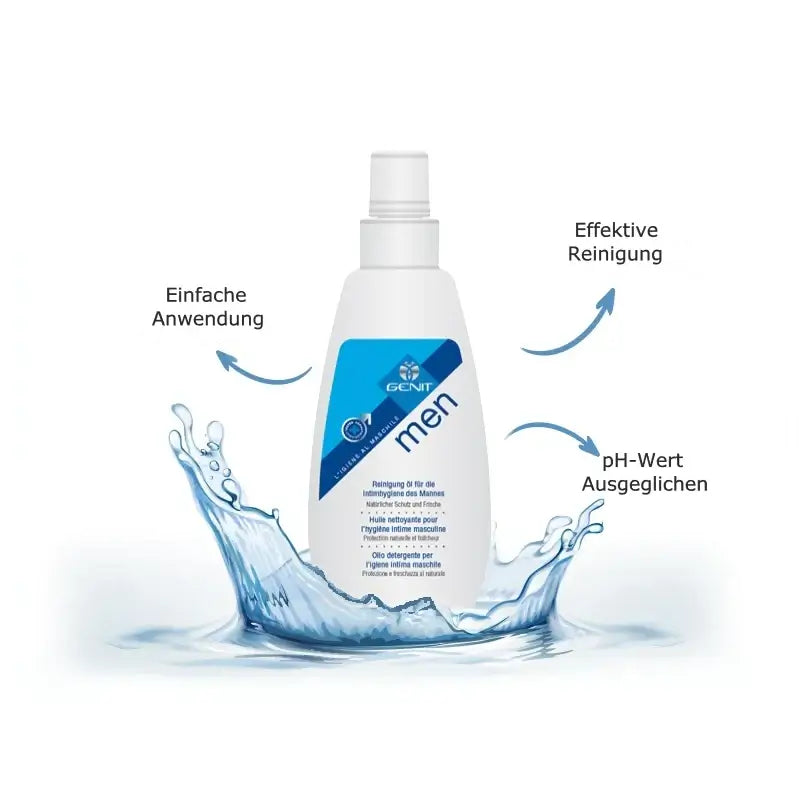
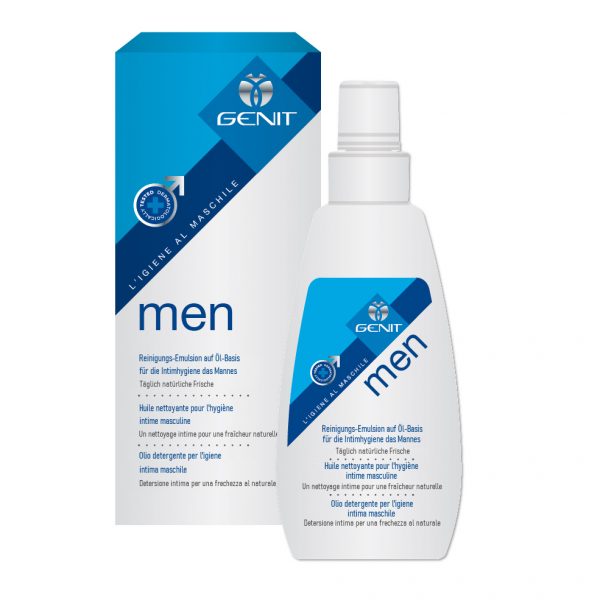
GenitMen then GenitMen optimal care for the intimate area using select ingredients such as almond oil, orange oil, pomegranate extract, and chamomilla recutita extract, helping to prevent further infections.


GenitDuo - For all cases
GenitPlus fight inflammation and relieve pain.
GenitMen for the daily shower routine
In duo 15% cheaper than individually
- Regular price
-
CHF 39.90 - Regular price
-
CHF 46.60 - Selling price
-
CHF 39.90


Sources: Urological Health Foundation, USZ
Frequently asked questions about phimosis
What is phimosis?
Phimosis is a narrowing of the foreskin, which prevents it from being pulled back over the glans, or only allows it to be pulled back to a limited extent.
Can you treat phimosis yourself?
Mild forms can be treated with ointments and gentle stretching under medical supervision. A doctor should always be consulted in cases of pain or inflammation.
When is surgery necessary?
If conservative measures do not help or complications arise, surgery may be advisable.